McDonald Data Sciences
Statistical and data science consulting in ecology, wildlife biology, distance sampling, capture-recapture, and habitat modeling

I am Trent McDonald, and I run McDonald Data Sciences, where I provide ecological statistics & wildlife data science consulting to clients in ecology, biology, and the wildlife sciences. Over my 40 year career, I’ve written award-winning publications, authored over 90 peer-reviewed papers, earned 17,200 citations, and achieved an H index of 55 (as of September 2026). I bring that experience to every project I take on, whether it’s a quick consult or a multi-year study.
What I Do
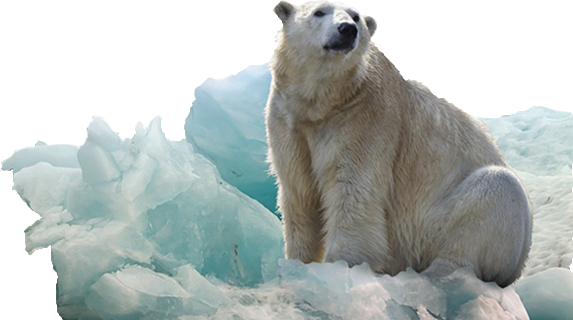
Abundance Estimation
Population size estimates and demographic modeling.
- Closed-population capture-recapture
- Open-population capture-recapture
- Spatially explicit capture-recapture
- Simple and advanced distance-sampling analyses
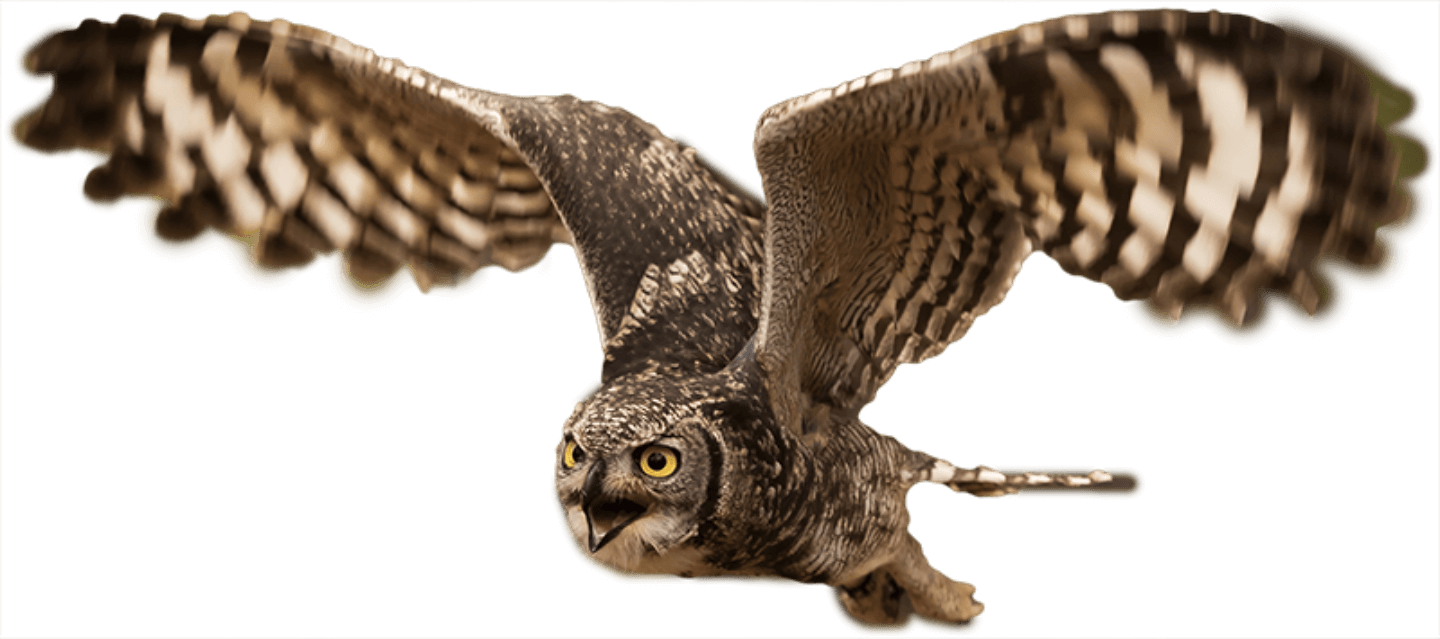
Habitat Modeling
Resource selection, mapping, and critical habitat identification.
- Resource selection functions and Maxent
- Home range estimation
- Path estimation
- Telemetry data processing
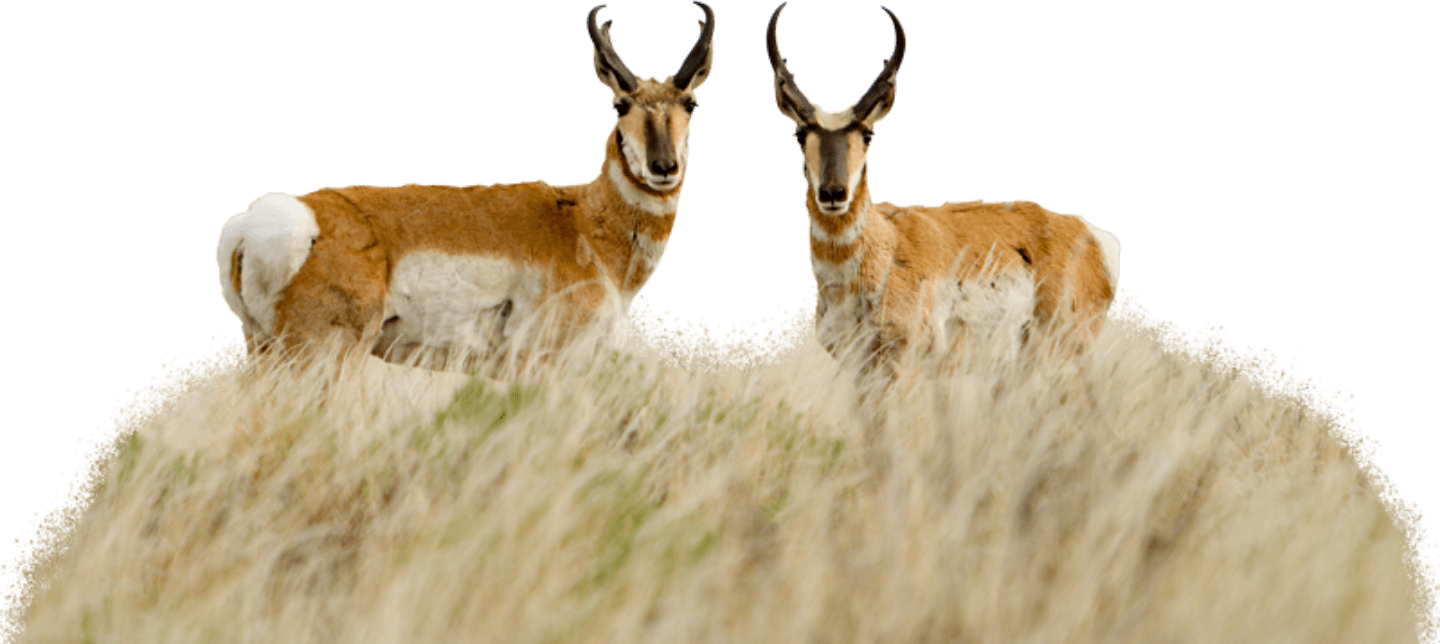
Inferential Statistics
A full range of statistical methods.
- Regression and analysis of variance
- Bootstrapping, simulation, randomization, and Monte Carlo methods
- Bayesian analyses of all types
- Survival analysis for wildlife using proportional hazards models
- Information graphics
Database Services
Data system design and implementation.
- Bespoke data systems (databases and interfaces) designed around client needs
- Excel, Access, raw sensors, and other inputs
- Automated QA/QC proceedures
- Local and cloud PostgreSQL, with or without PostGIS
- R, API, Excel, and dashboard interfaces
Science Services
I also offer a wide variety of scientific services and advice.
- Professional reviews
- Workshop instruction
- Manuscript preparation
- Scientific advisory board membership
Recent News
University of Wyoming Academic Hall of Fame, 2026 — I was honored to be inducted into the UW College of Engineering and Physical Science Hall of Fame in April 2026. Read more in this blog post or on my resume.
How I Work
- Scoping call. We talk through your data, your questions, and your timeline — free, no obligation.
- Proposal. I send a short written scope and cost estimate so you know what to expect.
- Analysis. I do the work, keeping you updated at agreed milestones.
- Deliverable. You get a clear report, code, or tool — plus my time to walk through the results.
Schedule a free 60-minute consultation to get started.
Recent Projects
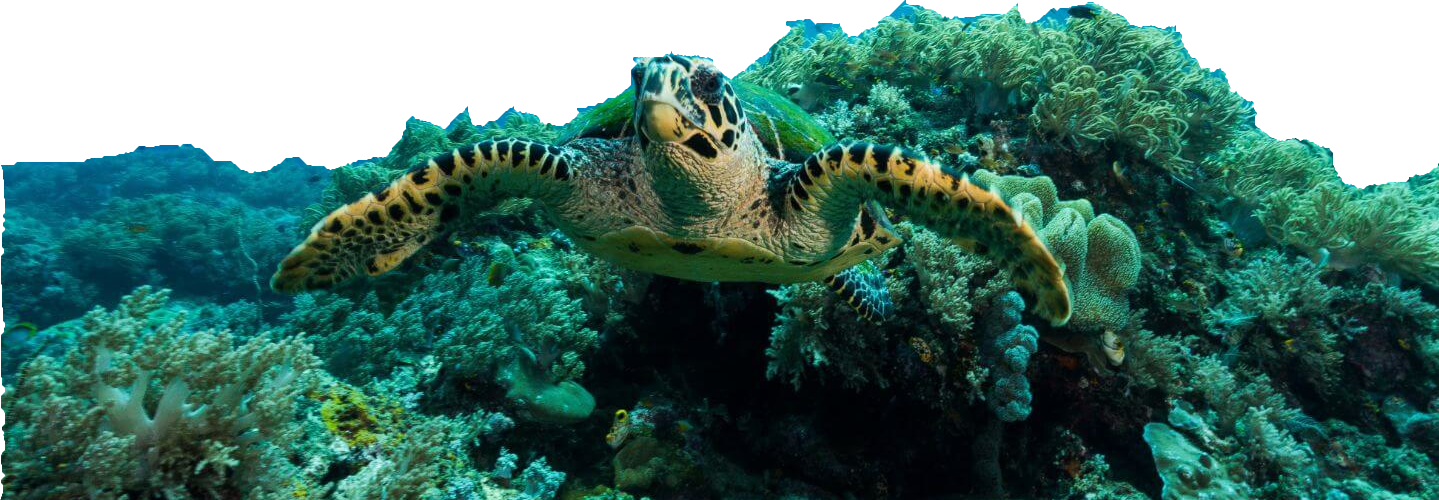
- Sea turtle abundance in Florida Bay. Analyzed 19 years of loggerhead sea turtle captures in Florida bay to estimate abundance and surival (blog post). Published a peer-reviewed manuscript with results in ESR.
- Marine mammal identification. Co-developed finFindR, a convolutional neural network that automates dorsal-fin matching for marine mammal photo-ID studies. The publication in Marine Mammal Science earned a Top 10 Most Cited Article award from Wiley, the publisher. More information in this blog post.
- Distance-sampling software. Built and maintain Rdistance, an open-source R package for density and abundance estimation used by agencies and researchers worldwide.
More detail on these and other projects are on my Publications page.
Who I Work With
I partner with federal and state agencies, university researchers, energy and industrial companies, and non-profits who need rigorous, defensible statistical analysis — whether that’s a single report, a multi-year monitoring program, or a custom R package.
I’ve had the privilege of working with organizations like these:
Federal: 





State: 
Industry: 




Non-Profits: 


International: 

University: 



Frequently Asked Questions
What is distance sampling?
Distance sampling is a survey method that estimates wildlife density and abundance by measuring how detection probability declines with distance from an observer, and correcting for whether from a line transect or a fixed point.What are capture-recapture studies?
Capture-recapture studies estimate wildlife abundance or survival by marking individuals, releasing them, and recording how many marked animals turn up in later samples. The ratio of marked to unmarked animals in each recapture lets me estimate total population size. These studies can handle closed populations (no births, deaths, or migration during sampling) or open populations (where those processes occur), and can incorporate spatial information through spatially explicit capture-recapture models.Do you analyze distance-sampling and capture-recapture data?
Yes. I analyze both distance-sampling and capture-recapture data, sometimes in the same study. I frequently combine distance sampling data across species and studies, or I use customized methods to estimate probability of capture. If both data types are collected, we can compare the two approaches.Do you offer remote consulting?
Yes. I work with clients across the US and internationally, and I teach workshops both in person and remotely over Zoom.Do you build custom R packages or tools?
Yes. I build and maintain open-source R packages like Rdistance, and I develop custom analysis tools and databases tailored to a client’s needs.
Let’s Talk
Email: trent at mcdonalddatasciences . com (no spaces)
If you’re interested in working together, want to talk rates, or just want to discuss your project, I’d love to hear from you. Schedule a free 60-minute consultation and let’s get started.